



Los Llanos
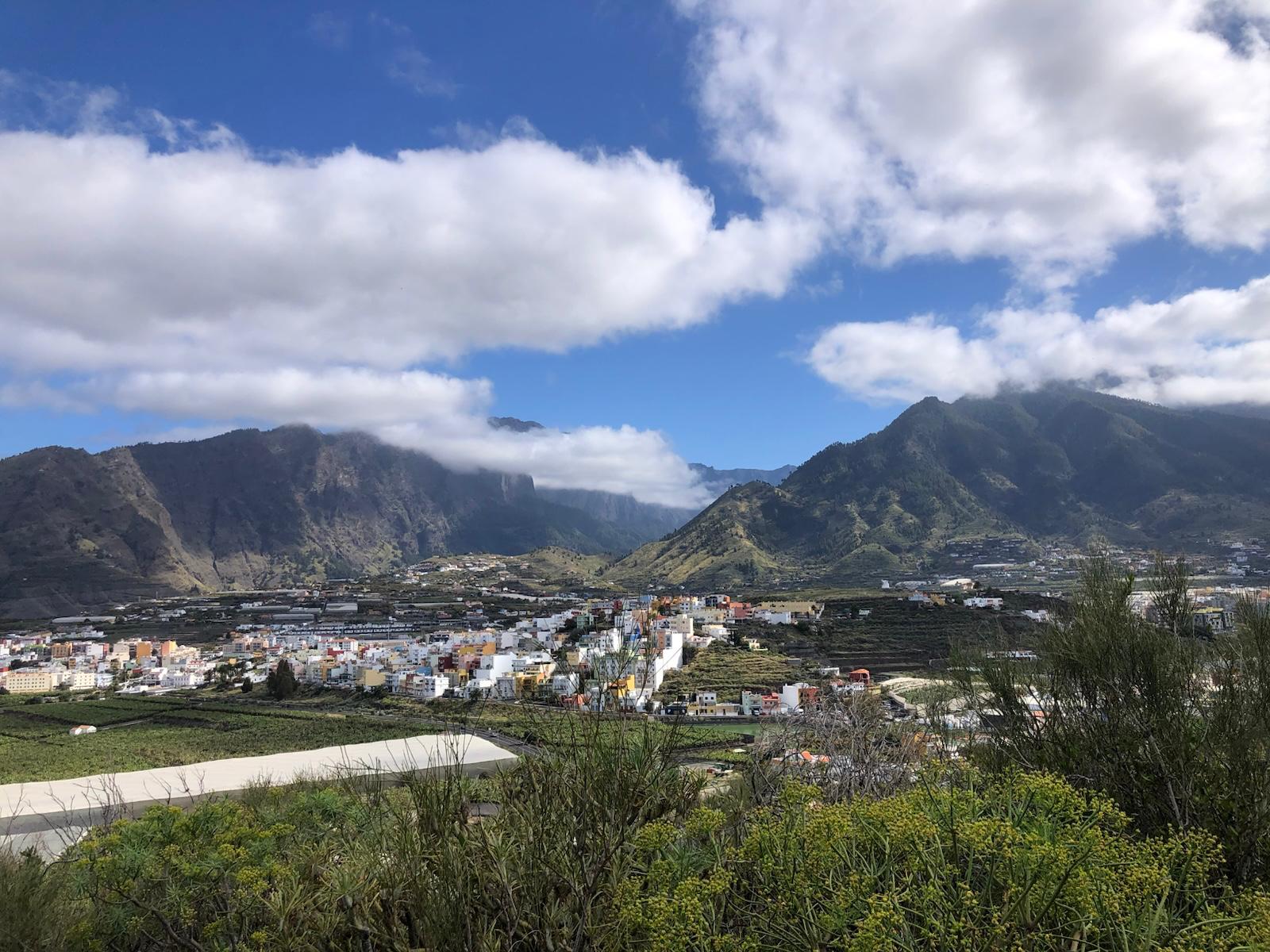
Sheltered by the mountain range and the Caldera de Taburiente, the fertile Aridane Valley is the most populated area of La Palma and also the area best suited to housing and agriculture. Los Llanos de Aridane, the heart of the valley and the most populous town on the island, is known for having the warmest climate in La Palma. Its many hours of sunshine make it ideal for growing bananas and avocados.
If you visit Los Llanos, your steps will naturally lead you to Plaza de España, where you can admire several Indian Laurel trees considered among the oldest in the Canary Islands. Be sure to climb up to the Castillo de la Virgen, an impressive viewpoint, and visit Parque de los Monos, a beautifully landscaped garden filled with lush vegetation and charm.
And above all, take a close look at the façades throughout the town. You will discover countless murals! Los Llanos is a pioneering city on a global scale, having established itself as an open-air museum. Artists from around the world have filled its streets with colour. Numerous QR codes throughout the town reveal the stories behind each artwork, and guided tours are also available for those who want to discover them first-hand.

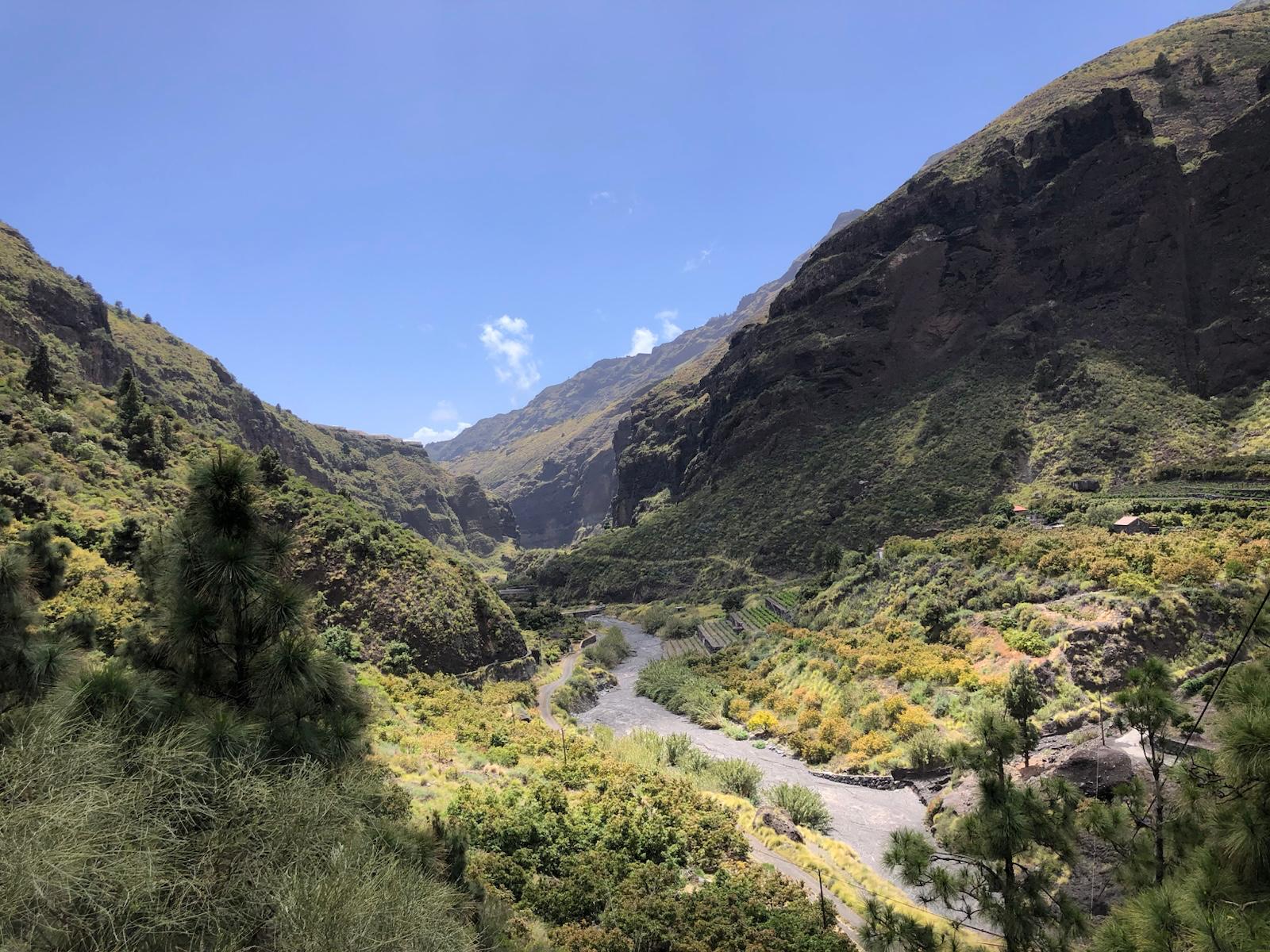
From Los Llanos, visitors can access the Caldera de Taburiente, a national park and one of the most impressive places on the island. You can drive to the car park at the entrance to the Caldera de Taburiente and then take a taxi up to the Los Brecitos viewpoint, the starting point for one of the island’s most spectacular hikes. Along the way, you will pass the so-called “Taburiente Beach”, where you can enjoy a swim, the camping area, Roque Idafe, and the Cascada de Colores (Waterfall of Colours). The route then returns through the Barranco de las Angustias to the car park where you left your car. Another option is to walk directly to the Waterfall of Colours from the car park. Whichever route you choose, the experience is well worth it.

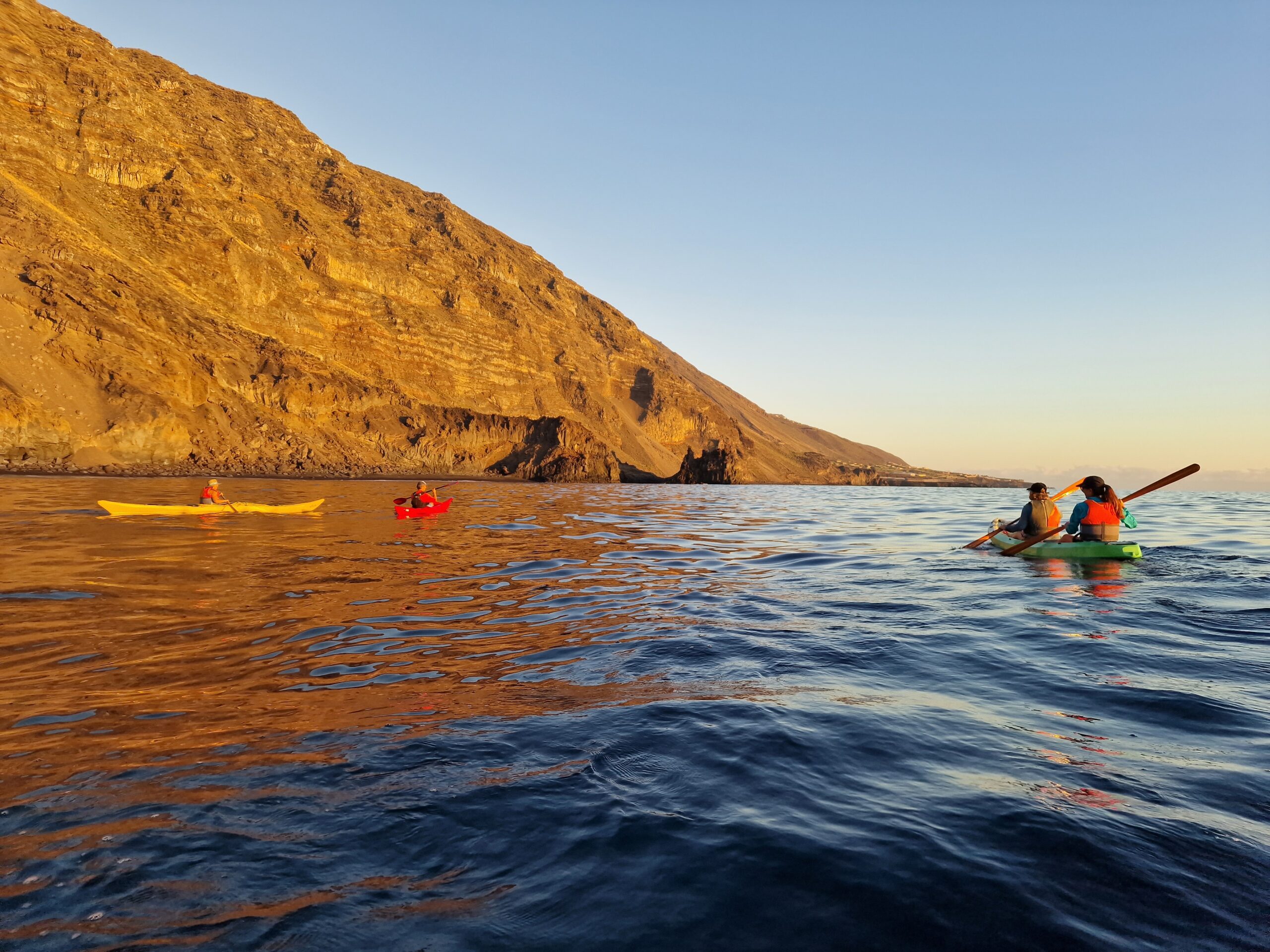
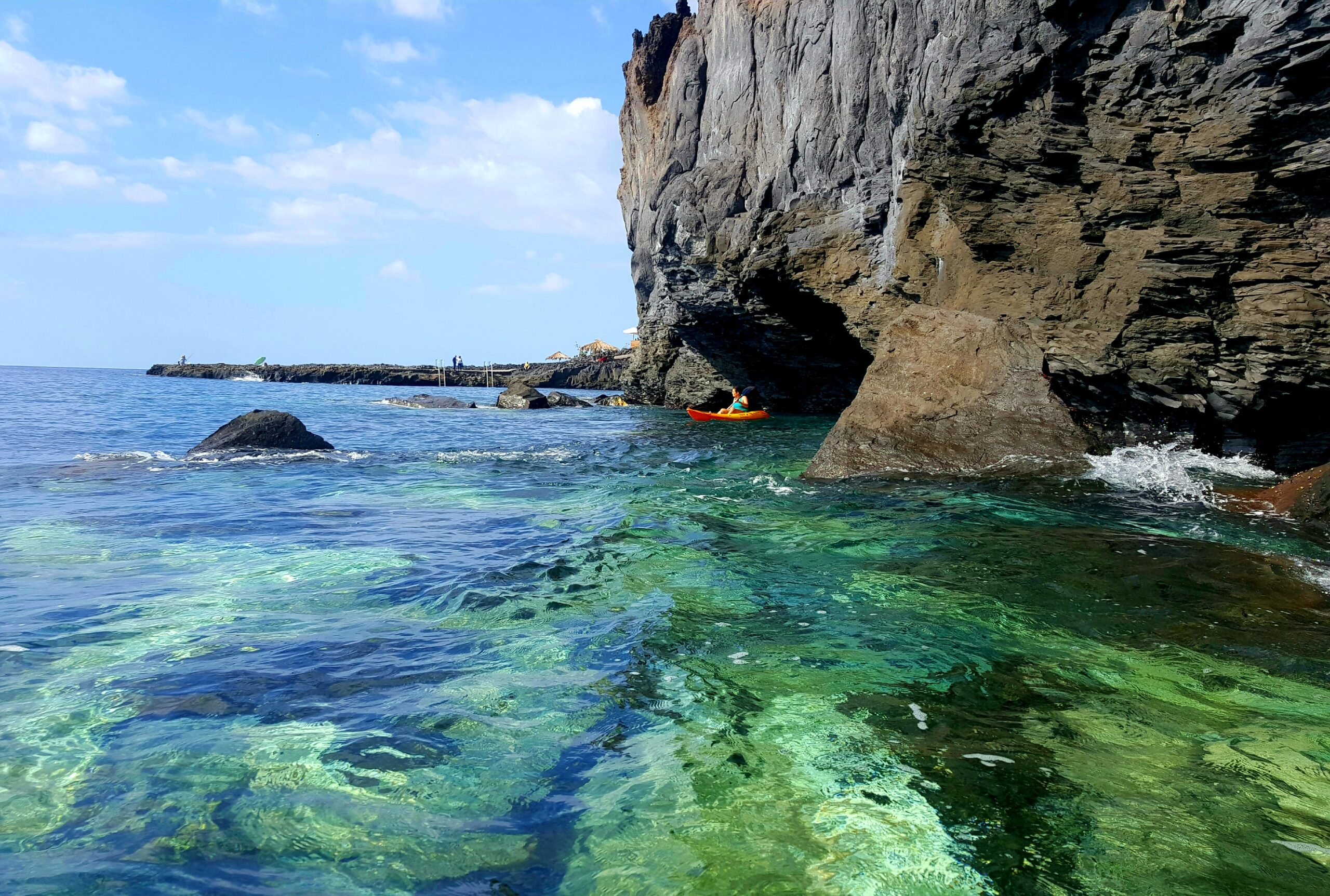
If you are exhausted after a long hike, a visit to the charming coastal villages of La Bombilla and El Remo is highly recommended. These traditional fishing villages are places where life still takes place outdoors, in the streets and by the sea!
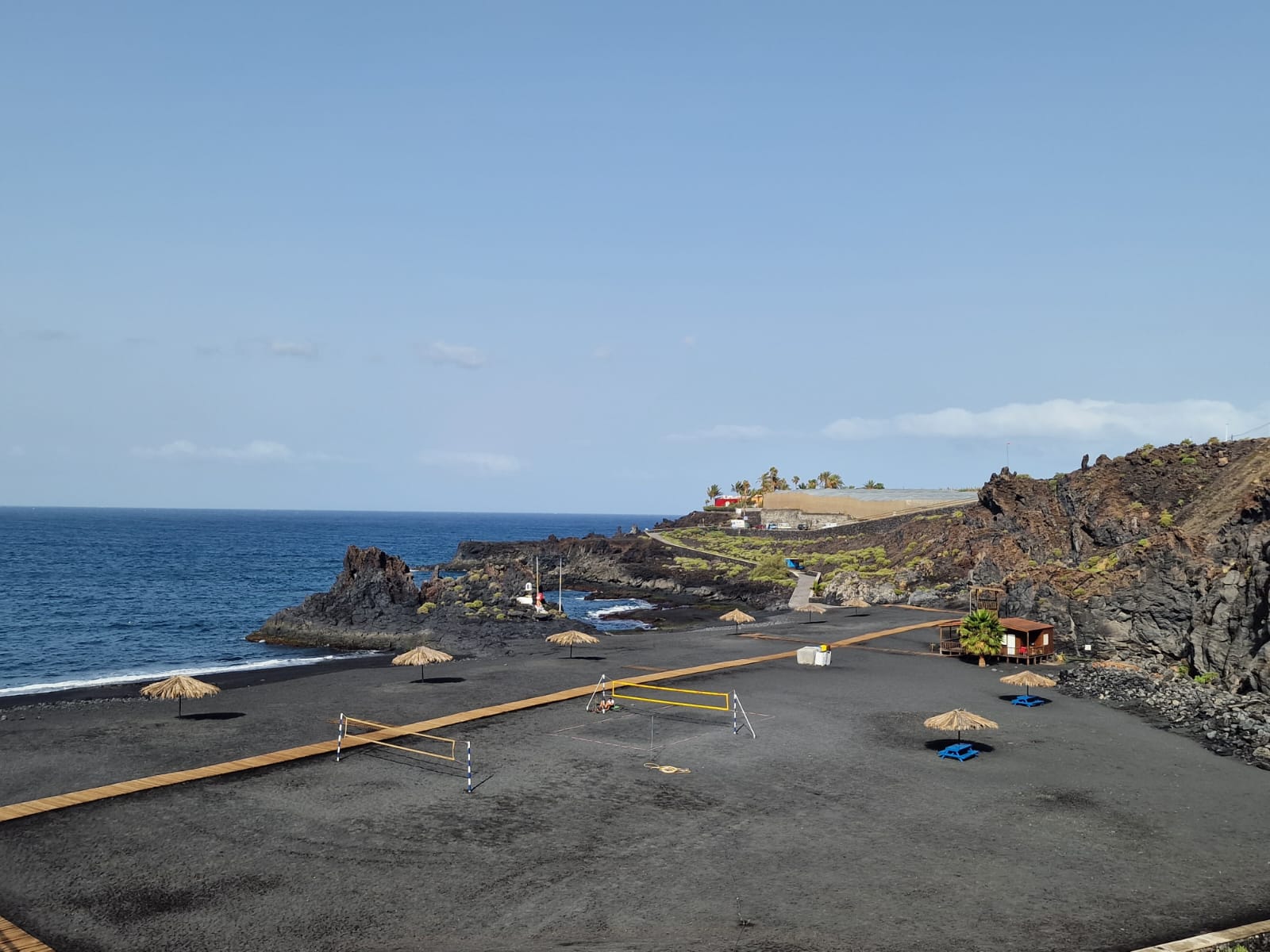
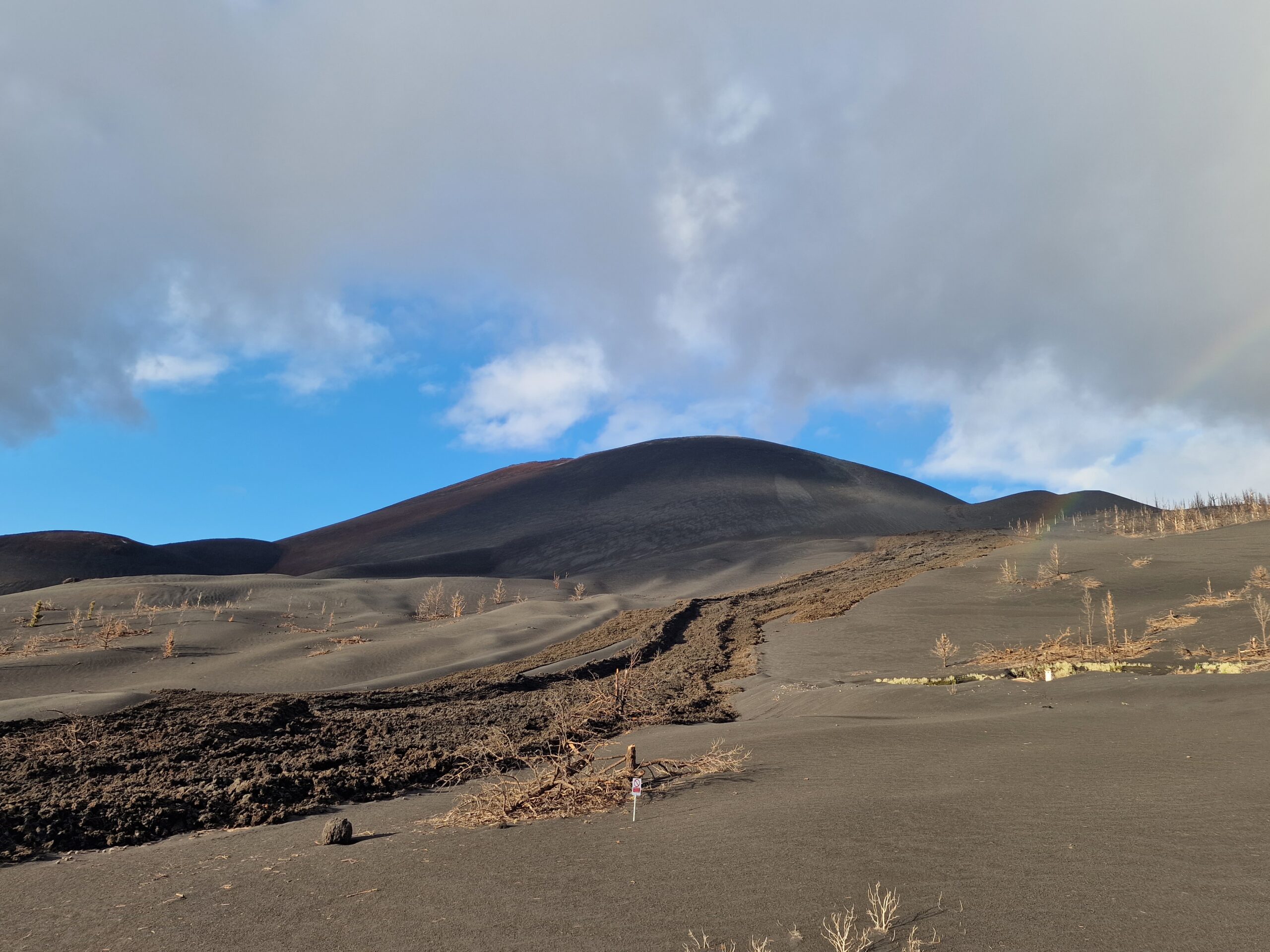
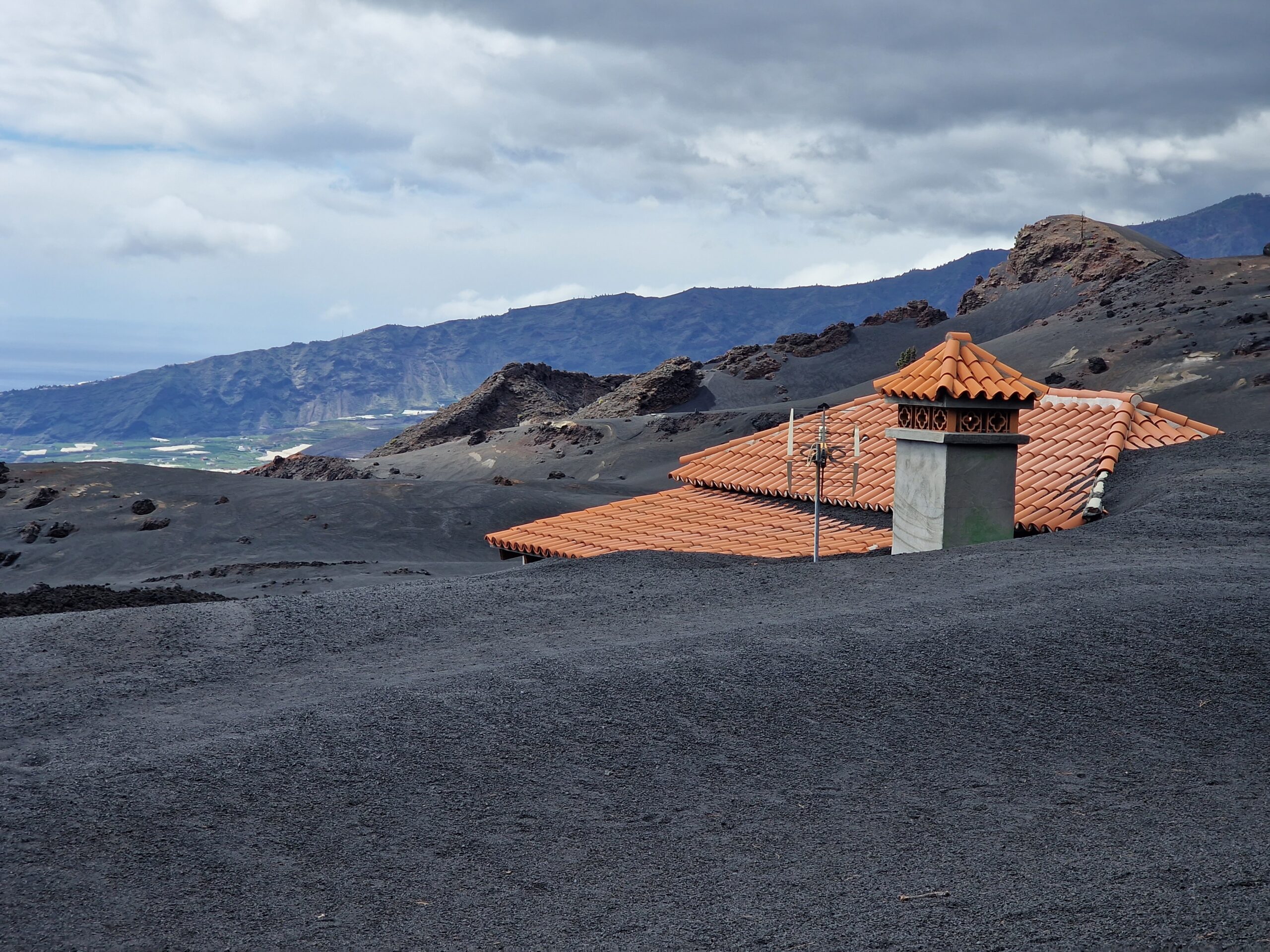
For a relaxing beach day, Charco Verde is a must. You can also enjoy the beach and have a refreshing drink by the sea in Puerto Naos, which is gradually coming back to life after its residents were evacuated for three years following the Tajogaite volcanic eruption.

From there, you can also visit El Charcón Beach, where you can see the area where lava from the Tajogaite volcano flowed into the sea, forming two new lava deltas.

If you want to continue exploring the island’s volcanic secrets, don’t miss the Cueva de Las Palomas volcanic tube in Las Manchas. Equipped with a helmet, you will descend deep underground to discover the immense tunnels carved out by magma as it made its way towards the sea.

Natural, scenic and historical heritage:
- Castillo de La Virgen
- Antonio Gómez Felipe Park (also known as Parque de Los Monos)
- Puerto Naos Beach
- Charco Verde Beach
- El Charcón Beach
- Caldera de Taburiente Car Park
Heritage interpretation centres:
Traditional Canarian restaurants:
- Restaurante Las Olas (fish and seafood) – Puerto Naos Beach
- El Duende de Fuego (gluten-free options)
- Casa Kiko
- Restaurante Salta Si Puedes
Other recommended restaurants:
- Los Argentinos De Los Llanos De Aridane – Argentine grill and steakhouse
- La Papaya specialty coffee & vegetarian brunch
- Koi Streetfood (poke bowls and vegan options)
- Kiosco Charco Verde – Charco Verde Beach
- Ca' Yeya – Puerto Naos
- Bar Silicum – Cocktails – Puerto Naos